
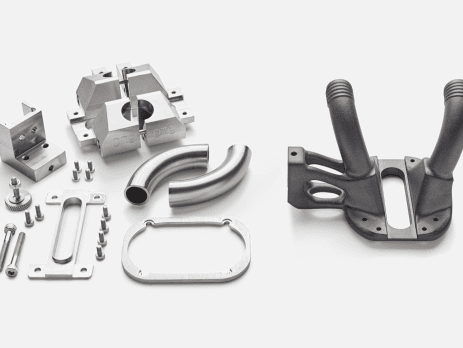
Handbook for 3D Printing Assembly Consolidation with DfAM
Combining assemblies (groups of parts) into a single unit is one of the most publicized benefits of 3D printing. Its popularity pertains to the outsized benefits from the most public cases that combine 20 (or more) parts into a single, producible component. But especially in the current economic climate, where...
 By
By 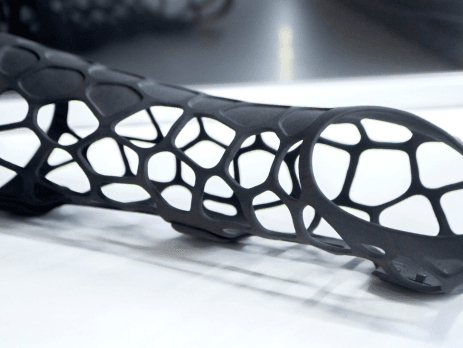
How 3D Printing Overcomes Mold-Based Prosthetics and Orthotics
The orthotics and prosthetics (O&P) industry is at a pivotal juncture. With rising demand fueled by an aging population and increasing instances of chronic conditions, traditional fabrication methods struggle to keep pace. These conventional workflows, rooted in manual craftsmanship, are plagued by inefficiencies, inconsistency, and scalability issues. The integration of...
 By
By 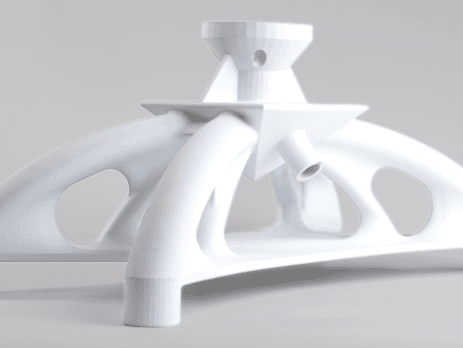
4 Advanced Design for Additive Manufacturing (DfAM) Tips
The more competitive the business environment, the greater the pressure on individual engineers to deliver unique and specific solutions. The global scale of competition makes it critical to stay at the forefront of new product development. However, it also remains true that there will always be a market for well-engineered...
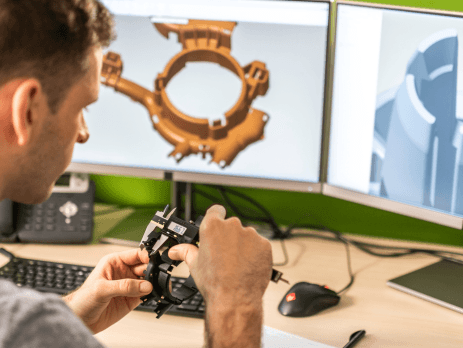
What is Design for Additive Manufacturing (DfAM)?
Production companies worldwide are recognizing that 3D printing is becoming a vital component in building resilient and market-leading supply chains. A "perfect storm" of factors has made this technology increasingly attractive for businesses leading to:Improved production machines: Modern production machines are now significantly more reliable and user-friendly, making in-house...
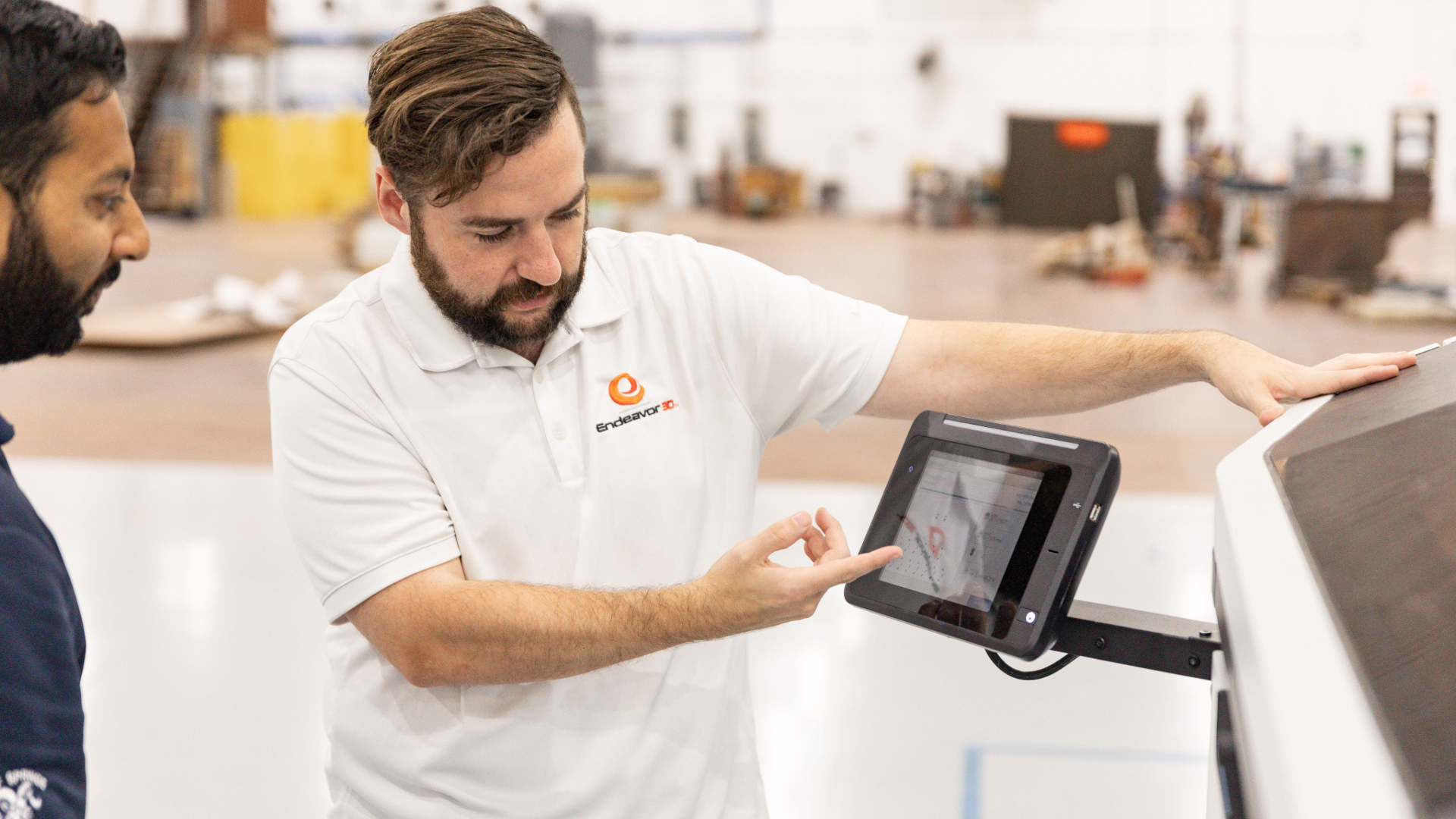
5 Questions to Ask Before Using Additive Manufacturing
Are you considering using additive manufacturing (AM) for a project but unsure where to start? Asking the right questions is essential to determine if AM is the right solution for your project’s needs. It’s also the best way to ensure your parts are optimized for quality, efficiency, and cost-effectiveness from...
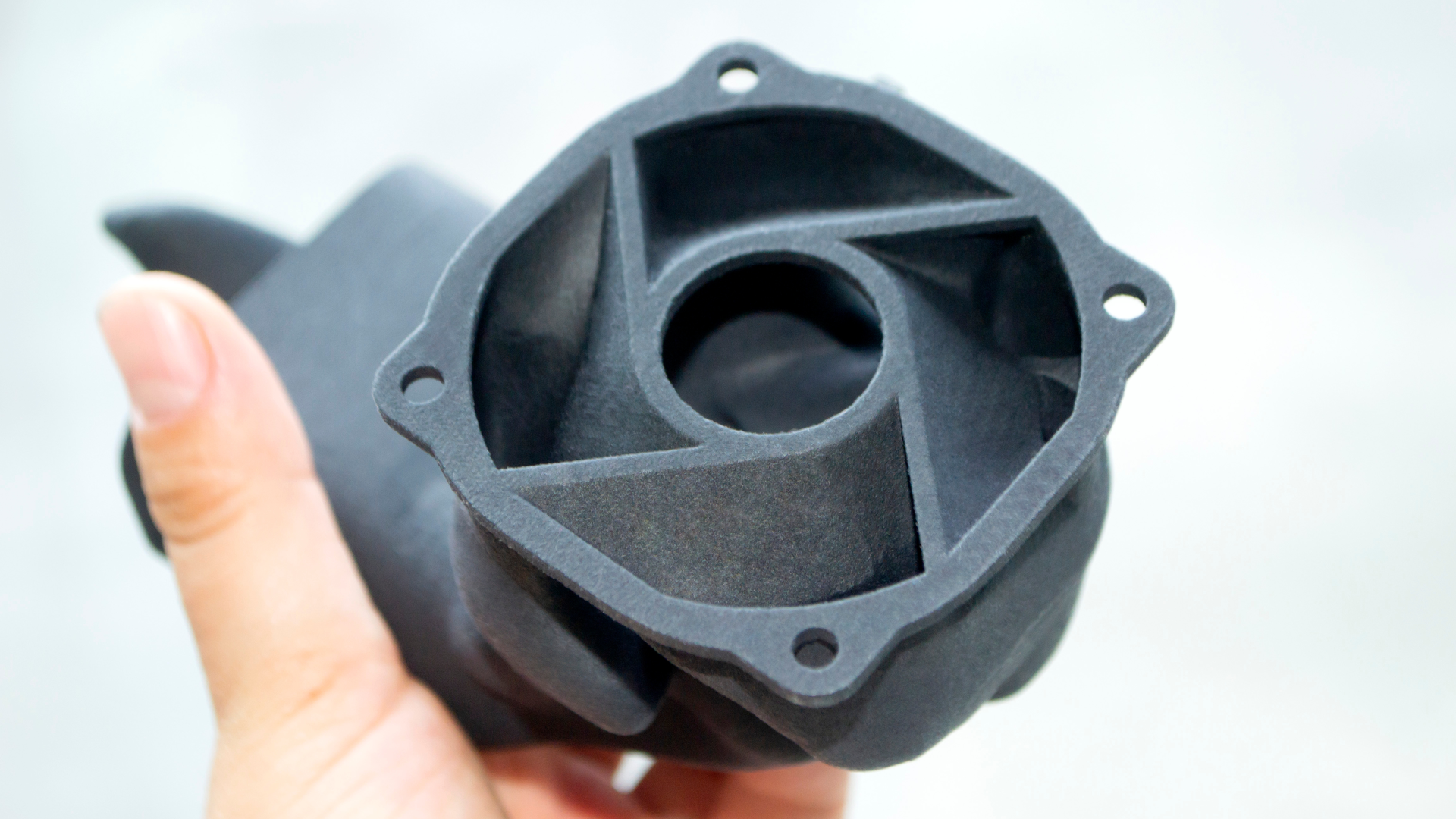
What is Multi Jet Fusion (MJF) 3D Printing?
For years, 3D printing was primarily used for creating prototypes, figurines, and other non-functional parts. This limited its potential as a true manufacturing solution. While these applications demonstrated the 3D printing industry’s versatility and precision, it often fell short in producing robust end-use components for demanding applications. To address this...
What is Multi Jet Fusion (MJF) 3D Printing?

A Guide to Post Processing MJF Parts
